Escape Room Design That Turns Every Clue Into A Story
Explore how great escape room puzzles are built, from layered clue trails and satisfying reveals to printable props that make players feel like real detectives.
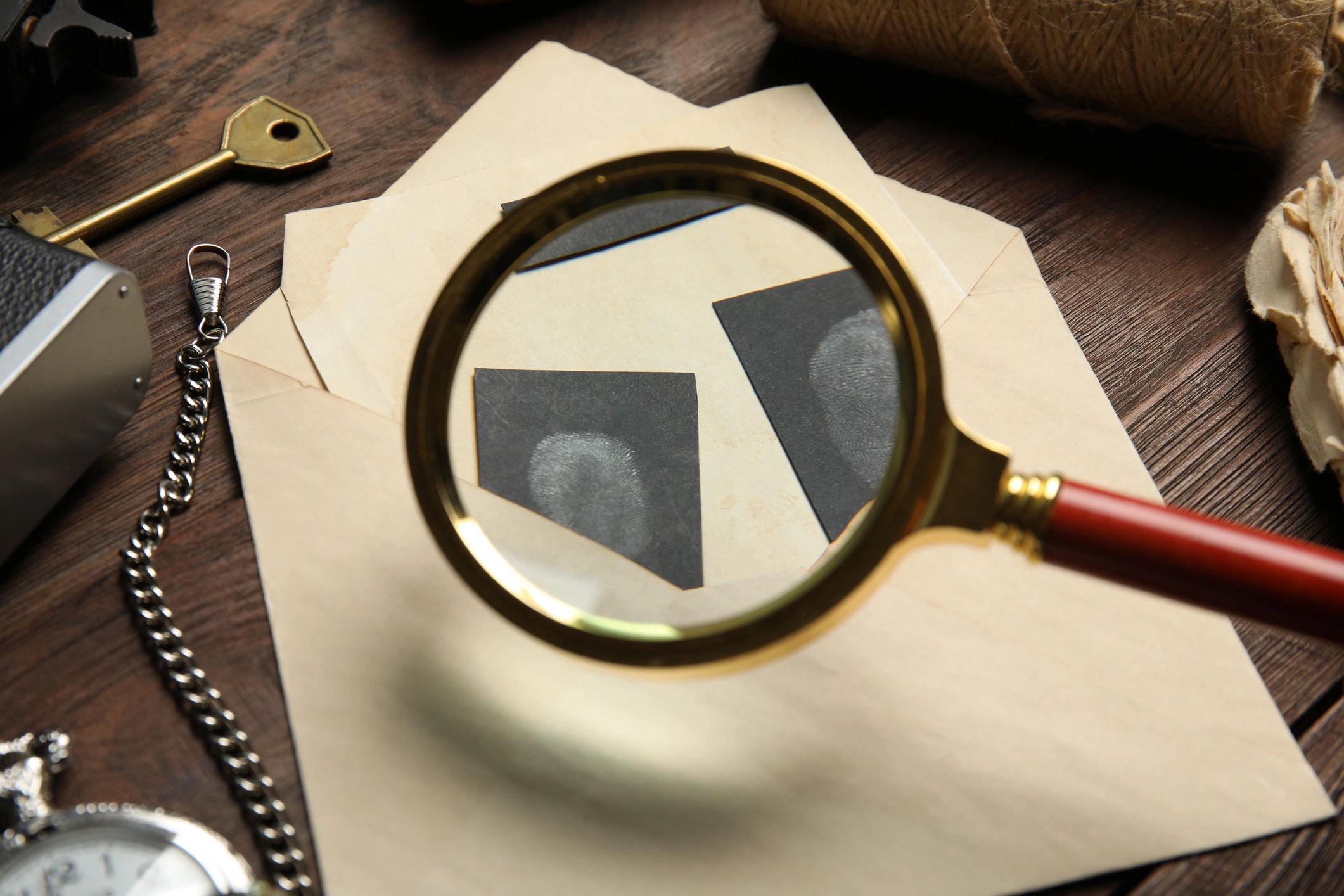
Behind the scenes
What Makes A Great Escape Room
The best escape room design balances challenge, clarity, and surprise. At Daily Mystery Puzzles, we think every puzzle should reward observation, encourage teamwork, and build momentum from the first clue to the final unlock.
Clear clue logic
Layered reveals
Immersive props
Replay-worthy twists
Design pillars
Three Elements Players Remember
Strong escape room experiences feel intentional at every stage. These design principles help transform a simple puzzle set into a memorable mystery.

Clues With Purpose
Every note, cipher, and hidden detail should move the story forward and feel connected to the final solution.
Pacing And Progress
Alternate quick wins with deeper challenges so players stay motivated, curious, and eager to keep solving.
Props That Sell The Scene
Printable evidence, maps, and coded documents add tactile fun and make each mystery feel like a real case file.
How An Escape Room Comes Together
Whether you are designing for a classroom, family game night, or printable kit, a simple process keeps the mystery fun and solvable.
01
Start With The Story
Choose a setting, objective, and final reveal so every clue supports a single mystery arc.
02
Build The Clue Chain
Mix observation, logic, wordplay, and code breaking so players use different skills as they progress.
Great escape room design makes players feel clever, not stuck.
03
Test The Difficulty
Check that clues are fair, instructions are clear, and the challenge level fits the intended audience.
04
Add The Finishing Details
Use themed printables, evidence cards, and visual callbacks to make the final puzzle feel earned.